How to Start a Jewelry Brand in 2026: Step-by-Step
The fastest viable path in 2026: pick a defined niche, source from a manufacturer that offers low-MOQ private label or OEM/ODM work, validate with 2–5 designs before expanding, and build the brand around product quality you can verify — not around logos. Jewelry is one of the few product categories where a small brand can look established from day one, because the material itself does the visual work.
This guide walks the real sequence — market, product, sourcing, sampling, brand, launch — with the sourcing diligence most first-time founders skip, and the mistakes that sink otherwise good launches.
Step 1: Pick a Niche You Can Actually Win
"Jewelry brand" is not a niche. Winners in this decade pick a defined woman, a defined occasion, or a defined material story — ideally all three pointing the same direction:
- Material story: the clearest opening right now is stainless steel — waterproof, tarnish-free, PVD 18K gold plated finishes, worn 24/7. It owns "durable everyday gold look" at a price fine jewelry can't touch.
- Defined customer: "minimalist jewelry for nurses who can't wear dangly earrings" beats "jewelry for women." Occupation, lifestyle and skin-sensitivity niches are all underserved.
- Defined occasion: stacking rings, travel-proof pieces, sensitive-skin basics — occasion framing makes marketing write itself.
If you can't describe your customer in one sentence that excludes other people, you don't have a niche yet.
Step 2: Decide Your Sourcing Model Before Anything Else
This is the decision that sets your capital needs, timeline and margins — and it's worth knowing the three models cold (the full comparison lives in our private label vs. white label guide):
| Model | You bring | Capital needed | Time to launch | Exclusivity |
|---|---|---|---|---|
| White label | Logo + packaging | Lowest | Fastest | None |
| Private label | Brand + design input | Moderate | Weeks | Your brand only |
| OEM / custom | Your own designs | Highest | Slowest | Full |
The standard 2026 play: start white label or light private label to validate, migrate proven sellers to exclusive designs. Paying for mold exclusivity before a single sale is the classic first-timer money burn.
Step 3: Choose a Supplier Like Your Reputation Depends on It (It Does)
Your supplier decides your refund rate, your review average and whether repeat customers come back — long before marketing enters the picture. The non-negotiable diligence:
- Grade in writing, per SKU. 316L for skin-contact pieces; "stainless steel" without a grade is a styling claim, not a spec (why the grade matters).
- Plating process named. True PVD or electroplating — the durability gap is years, and the question filters professional suppliers from resellers instantly.
- Batch color consistency. A second order that doesn't match the first is the quietest brand-killer in accessories; ask how it's controlled.
- MOQ per program, not per catalog. Stock, private label and custom minimums differ; get each in writing. Programs starting around 100–150 pieces per design exist specifically for brand launches — ours starts at 120 pieces per design with OEM/ODM supported.
- Sample policy and defect process before the deposit. How fast do samples ship, what happens on a defective batch — the answers now predict every future dispute.
Suppliers who answer all five without stalling have organized production behind them; suppliers who dodge have told you something cheaper than a failed order would have.
Step 4: Sample Like Your Margin Depends on It
Order samples of everything before any bulk deposit, and evaluate like the harshest customer:
- Work every clasp twenty times; check jump rings are fully closed.
- Feel plating at friction points — inner ring bands, chain link gaps, clasp undersides.
- Weigh pieces against the quote; surprising lightness means hollow construction or a downgraded alloy.
- Wear a sample for a full week — shower, gym, sleep. Whatever annoys you in seven days will annoy customers in seven reviews.
- Photograph pieces next to your brand references; this becomes your content library's first assets.
Step 5: Build the Minimum Viable Brand
Branding in jewelry is expensive at the packaging level and nearly free at the strategy level — do the free parts properly:
- Name and story that survive one sentence. "Waterproof gold-look jewelry for people who never take it off" is a business model; a flower name is not.
- Photography on real skin. Jewelry lives on wrists and necklines; flat-lays alone read as dropshipping. Your Step-4 week of wear is your first shoot.
- Packaging that protects, then delights. A pouch that survives a gym bag matters more than a magnetic box; get both eventually, in that order.
- One channel done well. Instagram + a simple store beats a mediocre presence on four platforms.
Step 6: Launch Small, Learn Fast, Expand on Evidence
Launch with 3–5 designs in your niche — enough to look like a brand, few enough to learn from every SKU. Watch three numbers: sell-through per design, return reasons, and repeat-purchase behavior. Designs that sell through quickly and return cleanly are your private-label migration candidates; designs that limp at white-label pricing tell you the niche preference, not that the business failed.
The brands that make it treat the first six months as paid research. The ones that don't bet the inventory budget on twenty designs before a single data point. When the data is in, the expansion is mechanical: deeper line in winners, exclusive designs on proven sellers, supplier programs built for exactly this progression.
The Three Mistakes That Sink First-Time Jewelry Brands
- Buying inventory before validating demand — the twenty-design launch with no niche. Fixed by Steps 1, 5 and 6.
- Choosing suppliers on unit price alone — the cheapest quote migrates its costs into refunds and one-star reviews. Fixed by Step 3's five questions.
- Underestimating the material conversation — customers now ask "will it turn my skin green?" and "can I shower with it?" Brands that answer with grade-level specificity (like this) convert; brands that mumble lose the sale at the exact moment of maximum intent.
Ready to source? Browse our product center, request the catalog and price list, and send us your niche — we'll propose a 3–5 design starter program with MOQ and lead time in writing.
FAQ
How much does it cost to start a jewelry brand? With a low-MOQ supplier, a credible launch — samples, 3–5 designs at 120+ pieces each, basic branding and photography — fits a small budget, far below the five-figure minimums of traditional wholesale. The dominant cost is inventory, which is exactly what low MOQs exist to control.
Do I need to design jewelry myself to start a brand? No. White label uses the supplier's existing designs with your branding; private label adapts their designs to your specifications. Your own designs matter at the OEM stage — usually once the brand has sales data showing what to invest in.
What MOQ should a new jewelry brand expect? Stock white-label programs often start at 100–300 pieces per design; private label and custom vary more. Some suppliers keep entry deliberately low for launches — IVANDA starts at 120 pieces per design with OEM/ODM supported.
Is stainless steel jewelry a good niche to start with? It's one of the strongest openings in accessories: the material's durability story markets itself, margins work at accessible prices, and quality suppliers with low MOQs and true PVD plating are findable — the sourcing playbook is our buying guide.
How do I find a trustworthy jewelry manufacturer? Run the five-question filter: grade in writing, plating process named, batch consistency explained, MOQ per program, sample and defect policies before deposit. Response speed and answer quality are themselves the screening signal — organized factories answer fast and specifically.
 How to Start a Jewelry Brand in 2026: Step-by-Step
 Why Does Gold-Plated Jewelry Fade? (And What Lasts)
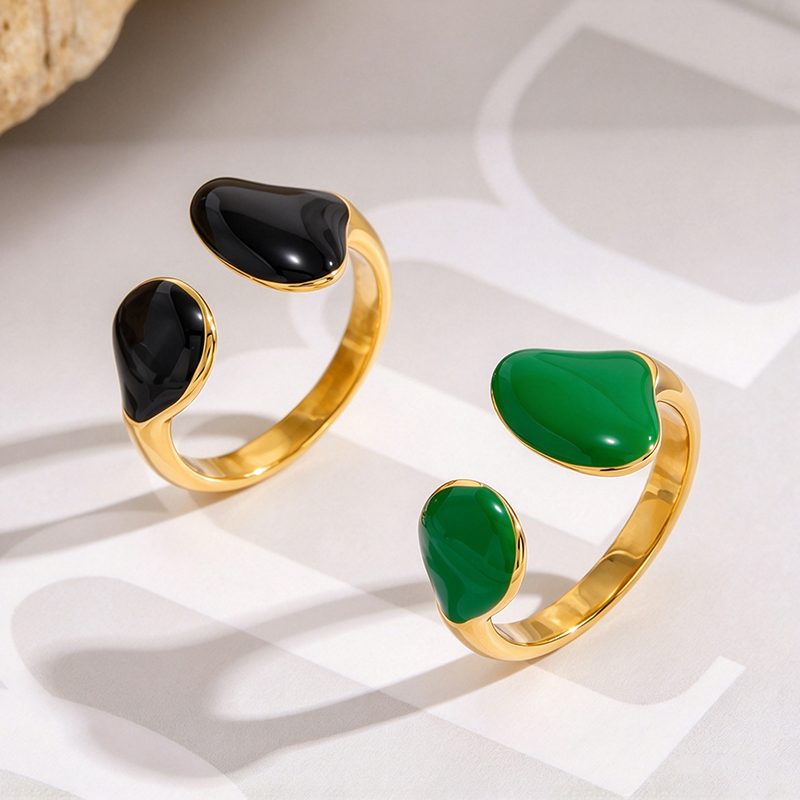 How to Measure Ring Size at Home (3 Easy Methods)
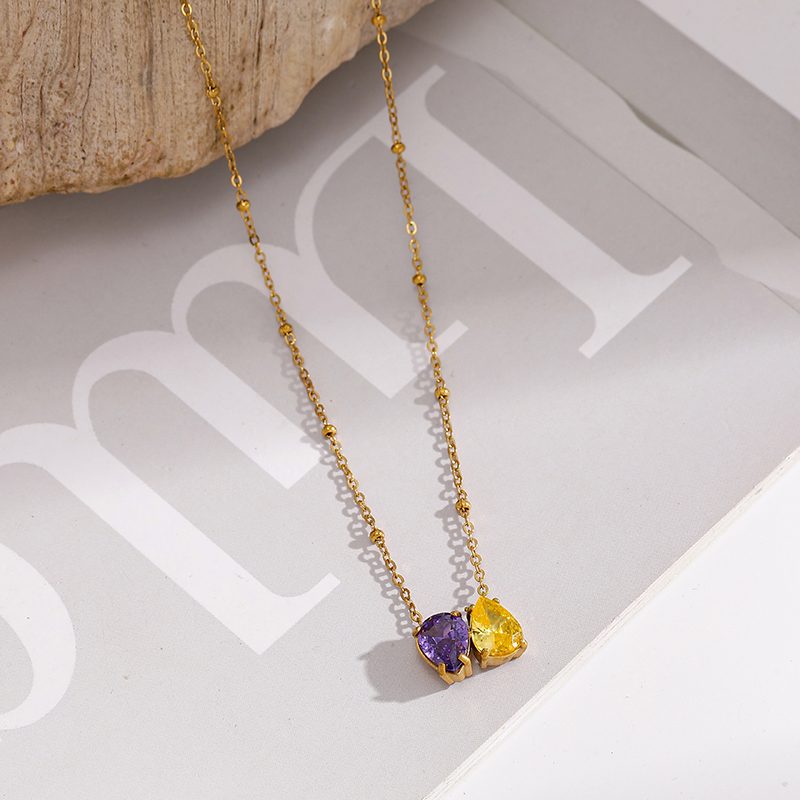 Necklace Chain Types Explained: Find Your Chain Style